Peg 20 Is the Finish Line: The Plinko Stop Rule That Doesn't Drift
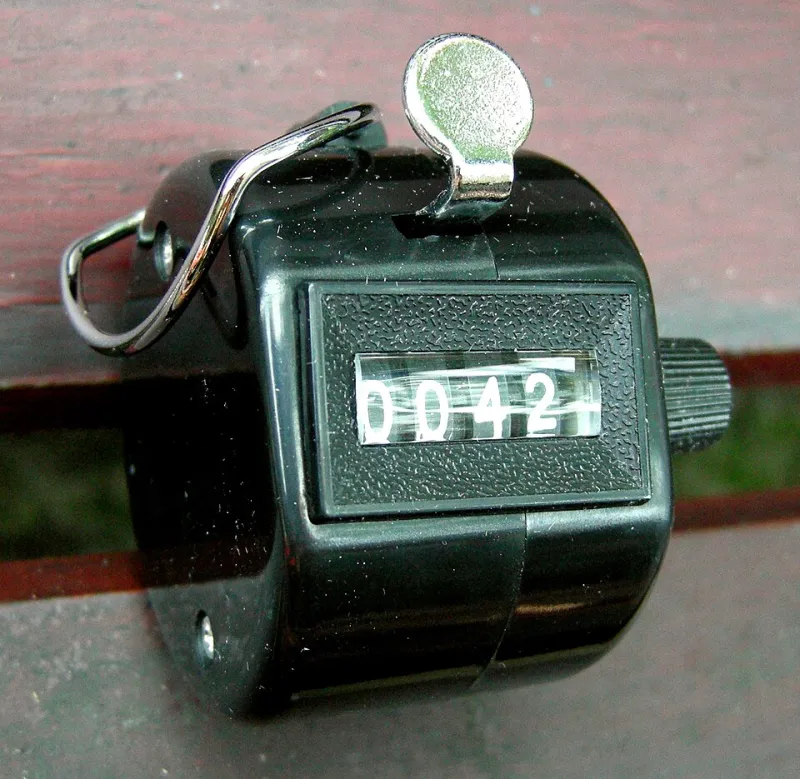
Photo: Storye book, CC BY 3.0, via Wikimedia Commons
Plinko sessions rarely go wrong in one dramatic moment. They drift. You sit down for ten minutes, the board feels quick, turbo mode shaves a few seconds off each drop, and suddenly the clock has stopped mattering. A cash limit can blur too, because your balance keeps moving and the number of decisions you're making stays hidden. A fixed drop count cuts through that. It is not a budget in pounds and it is not a stopwatch. It is a simple, visible finish line: this many drops, then out.
Why time limits get slippery
A time limit sounds sensible until you put it next to Plinko. The game is stop-start by design. You choose a stake, release a ball, watch the pegs, then decide whether to go again. Turbo mode compresses that rhythm. Quick re-drops remove the natural pause. Ten minutes in normal mode is not the same as ten minutes with the speed turned up and your thumb hovering over the button.
That is not a moral failing. It is how quick-play interfaces work. They make the next drop feel like the obvious next step. If your only guardrail is 'I'll stop at half past', you are asking a clock to compete with a very smooth loop.
Cash caps are useful, but they don't count decisions
A cash cap is still worth having. Knowing your session has a £10 ceiling is better than hoping for the best. But a cash cap tells you what you can lose, not how many times you are pressing the button. At 20p stakes, £10 is 50 drops. At £1 stakes, it is 10. Same cap, very different session.
That matters because fatigue, tilt and plain old boredom are tied to repetition. A cash limit can also feel flexible when you are ahead: 'I've won a bit, so there's room.' A drop count does not care about your balance. It cares about the number of balls you have released.
The case for a fixed drop count
A drop count is a fuse measured in actions. Before the first ball goes, you decide: this session is 20 drops. Not 20 minutes. Not 20 pounds. Twenty drops. At the end of the twentieth, you stop.
The beauty is that it works at any speed. Turbo mode does not change the count. A lucky landing does not change the count. A rotten run does not change the count. You can work out the maximum cost before you start: stake multiplied by drops. Twenty drops at 25p is £5. Twenty drops at 50p is £10. If that number does not sit comfortably inside your entertainment budget, lower the stake or lower the count.
It also gives the session a natural shape. There is a beginning, a middle and a final peg. That sounds small, but a clear ending is exactly what quick-play games tend to blur.
Setting a number that isn't fantasy
Do not pick 100 because it sounds disciplined, and do not pick three because you think suffering is the same as control. Pick a number you can afford to repeat without annoyance.
A simple method: decide what you are happy to spend on this session, divide it by your stake, then set your drop count below that figure. If £10 at 20p gives you 50 drops, a 20-drop session leaves plenty of room and keeps the cap obvious. If you are new to Plinko, 10 to 15 drops is a sensible first run. You are not trying to extract maximum entertainment from every pound. You are trying to make a decision you will still respect ten minutes later.
Write the number down before you deposit. 'Twenty drops' is a rule. 'About twenty' is a suggestion.
Tallying without turning it into homework
You do not need a spreadsheet. Use something physical: 20 coins in your left pocket, moved to your right after each drop. Use a tally counter. Use the notes app on your phone and add a single mark each time. If you are on desktop, keep a scrap of paper beside the keyboard.
The only rule is that you count drops, not wins, losses or near-misses. The tally is not a score. It is a fuse. If you lose count, do not guess and carry on. Treat the session as finished. That sounds harsh, but guessing is how 'twenty' becomes 'twenty-ish' and then 'thirty, because I wasn't sure'.
The final peg is a hard stop
When the twentieth ball lands, the session is over. Not 'one more to finish on a high'. Not 'one more because that bonus felt close'. Not 'one more because I'm still under my cash limit'. The final peg is the finish line, and finish lines do not move because you are enjoying the run.
Close the tab, log out or cash out. If you want another session later, set a new drop count first. A pause between sessions is not a punishment. It is the bit that stops a quick drop from becoming an autopilot habit.
A quick example for a UK player
You set a £5 entertainment budget and choose 25p stakes. That gives a maximum of 20 drops. You allow turbo mode, because it is part of the game, but the count stays at 20. If the twentieth drop arrives in four minutes, fine — the session is done. If it takes fifteen, also fine. The clock is information, not the boss.
If you find yourself thinking 'I'll just add five more', that is the moment the rule is doing its job. You can want more drops. Wanting more is normal. Acting on it is the thing your pre-set count is designed to interrupt.
Keep the responsible-play basics close
Plinko is a game of chance. No drop pattern, peg cluster or stake sequence changes the underlying odds. A drop count is a session tool, not a winning system. Use it alongside deposit limits, time-outs and a genuine willingness to walk away. In the UK, check that any casino you use is licensed and familiarise yourself with tools such as deposit caps and self-exclusion. If gambling stops feeling like entertainment, seek support from GamCare or BeGambleAware.
Drop in smart. Play within limits. And when peg twenty lands, let it be the end.