Drop Zone Reality Check: Why the Middle of a Plinko Board Isn't a Safety Net
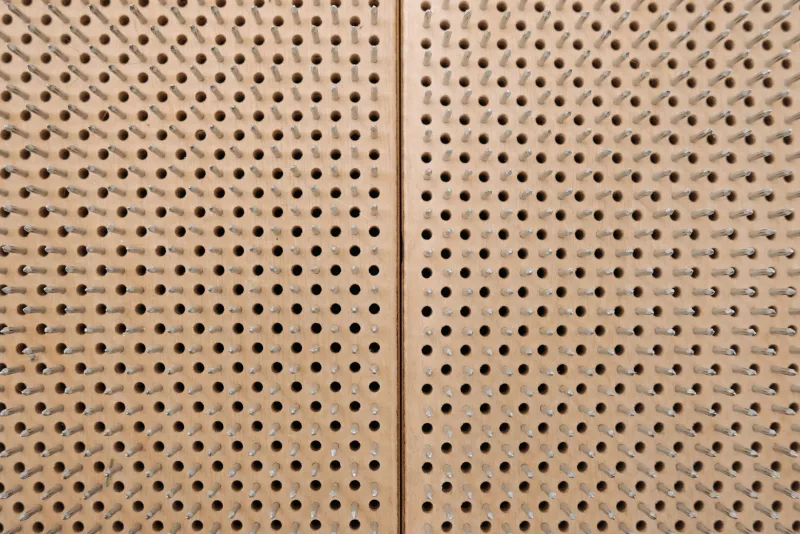
Plinko looks like a game of aiming. You pick a drop point, the disc clatters through the pegs, and it lands somewhere. The middle feels like the sensible choice: less drama, more central bins, maybe a gentler return. But a centre drop is not a safety net. It is a different probability shape, and probability shapes have a habit of surprising people.
Start with the pegboard, not the superstition
On a standard Plinko board, each row gives the disc a left-or-right nudge. The exact physics do not matter to the maths: the final slot is the result of several binary bounces. If you start dead centre, the most likely landing area is around the middle. If you start at the edge, the distribution shifts toward that side. Neither start guarantees a particular slot. The pegs do not remember your last drop, and the board does not have a 'safe' lane.
That is the first reality check. A drop position changes where results are likely to cluster, not where they must land.
Left, centre and edge are different shapes
Think of a centre drop as a bell curve with the peak in the middle. A left drop shifts the peak left. An edge drop pushes more outcomes toward that edge. On a 12-row board, even a perfectly centred start leaves plenty of room for the disc to drift. The exact middle bin is only one outcome among many. On a 16-row board, the spread widens further: more rows mean more possible paths and more chance of landing away from the centre.
That is why 'centre is safer' is only half true. It can be lower variance in the sense that central bins are more likely, but it is not a guarantee, and it is not automatically better value. A run of central landings can still produce a slow loss if the multipliers are modest.
Why the middle often pays less
Plinko multiplier tables usually pay less for central bins because they are more likely. The edges are rare and therefore flashier. That does not make centre drops 'safe' in cash terms. A lower multiplier can still lose money over many drops. The question is not 'which zone is safe?' It is 'what does the multiplier table pay for the probability I am taking?'
Check the paytable, not the vibe. A 0.5x central hit is not a win just because it landed where you aimed. Also remember that RTP is calculated across the whole table, not per drop point. If a game lets you choose where to drop, the payout table and the board layout are part of the maths. Do not assume the middle is a discount version of the edges.
Board rows change the spread
Fewer rows create a tighter cluster. More rows create a wider spread. An 8-row board will bunch results closer to the middle than a 16-row board. That can make short sessions feel steadier, but it also means fewer edge multipliers. A 16-row board gives more room for extreme outcomes, which cuts both ways. If you want a gentler feel, a shorter board may suit. If you want more variability, a longer board delivers it. Neither is a strategy for beating the house. They are different textures of the same game.
The pattern trap
After a few drops, it is easy to invent a rule: 'left side is cold', 'centre is due', 'the board pays after three misses'. This is the same superstition in a new outfit. Each drop is independent in a fair game. A run of central landings does not make an edge landing more likely, and an edge landing does not mean the centre has gone quiet. The only pattern worth tracking is your own behaviour: stake size, session length, and whether you are chasing.
UK-friendly takeaways
Pick a stake that makes a loss boring, not exciting. A £1 drop is fine if £20 a month is your hobby budget; it is not fine if you are replaying returns to keep the session alive. Use deposit limits and loss limits before you play. Set a session reminder. Check the game's RTP and multiplier table on a UK-licensed site. If you can choose a drop position, treat it as a flavour choice, not a safety switch. And if you find yourself moving the drop point to 'fix' a losing run, close the tab. The middle is not safe. Limits are.