Costing It in Coffees: Putting a Real-World Price on Your Plinko Session
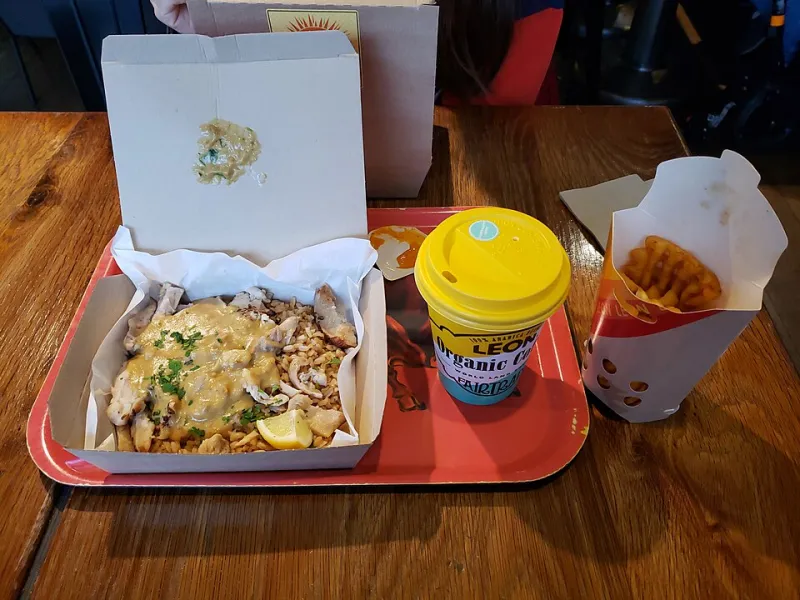
Photo: Andy Li, CC0, via Wikimedia Commons
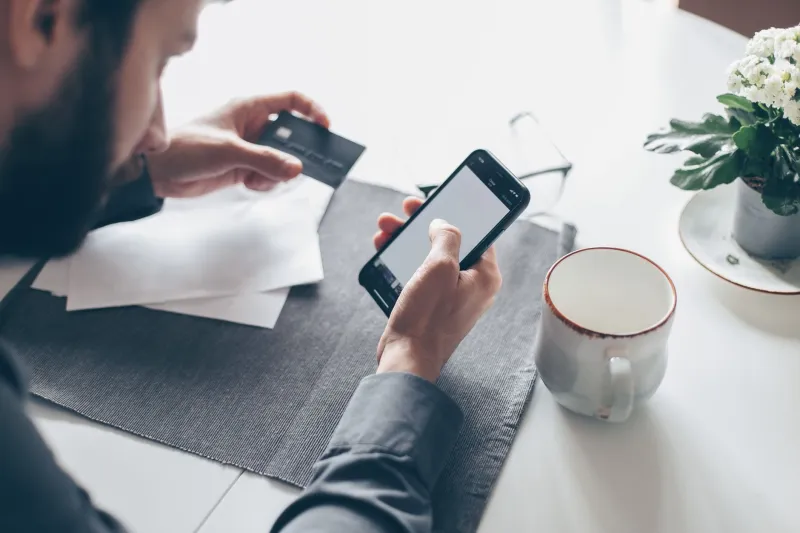
There's a strange thing that happens when money becomes a number on a screen. A £20 deposit doesn't look like four pints or five meal deals. It looks like a button. And buttons are easy to press.
That's the thinking behind the meal deal test: a simple habit of translating your Plinko budget into ordinary UK purchases before you play. Not to scare you off, and definitely not to make anyone feel silly. Just to give the money a bit of weight while it's still in your account.
Why screen money feels lighter than shop money
Handing over a tenner in a shop is a physical event. You notice it. You might even wince slightly when the meal deal is £4.25 and you were expecting £3.80. Online, a deposit is a few taps and a loading screen. The gap between deciding to spend and actually spending is tiny.
Plinko makes that gap even smaller. Drops are quick, the board is mesmerising, and the next round is always one click away. None of that is evil — it's just how the game is built. But it does mean your budget needs a bit of help to stay real.
The test itself: pick three everyday anchors
You don't need a spreadsheet. Pick three things you buy often enough that you know roughly what they cost. Good candidates:
- A supermarket meal deal — sandwich, snack and drink.
- A pint in a pub, or a coffee if that's more your thing.
- A single bus fare, or a return if you use the bus regularly.
- A Greggs sausage roll, if you want a smaller unit.
Prices vary by where you live, so use your own local numbers. The point isn't precision; it's recognition. When you think "that's two meal deals", your brain has something to hold onto.
A five-minute pre-session pricing ritual
Before you open a Plinko board, run through this. It works best written down — a notes app is fine, but paper is better if you have it.
1. Decide the session pot
This is the total amount you're willing to spend on this session, not the amount you'd like to win. Pick a number that wouldn't ruin your week if it vanished.
2. Convert it into two ordinary purchases
Write something like: "£20 = about five meal deals" or "£20 = four pints". Use whichever comparison makes you pause slightly. If it doesn't make you pause at all, your pot might be too high for comfort.
3. Price the stake, not just the deposit
A 20p drop sounds tiny. But 100 drops at 20p is £20. That's the meal deal comparison again. Plinko sessions can involve a lot of drops, especially if you speed things up. The stake is the price per go; the session pot is the price of the whole outing.
4. Set a loss limit and a time limit
Your session pot is your loss limit. When it's gone, it's gone — no topping up because the board "owes you one". Set a timer too, even a rough one. A twenty-minute session that turns into an hour is a different financial decision.
5. Check it against boring reality
Ask one plain question: does this money need to cover anything else this week? A bill, a birthday present, the weekly shop? If yes, the pot needs to shrink. That's not a moral failing; it's just arithmetic.
6. Put the comparison where you'll see it
Some people write the meal deal equivalent on a sticky note next to the laptop. Others set a reminder on their phone. The method doesn't matter. The reminder does.
What a few common amounts look like
Using rough UK prices — a meal deal at around £4, a pint at around £5, a bus single at around £2.50 — here's how the test might read:
| Plinko amount | Rough real-world equivalent |
|---|---|
| £5 | One meal deal and a bit of change |
| £10 | Two meal deals, or two pints |
| £20 | Five meal deals, or four pints |
| £50 | A decent supermarket shop |
Your numbers will differ. The exercise still works. The aim is to make the amount feel like something you'd notice leaving your pocket.
The mid-session check
Here's where it gets useful. Halfway through a session, pause and convert what's left. If you've got £8 left and you've already spent £12, that's three meal deals gone. Does another ten minutes feel worth another meal deal?
Sometimes the answer is yes. Entertainment costs money, and that's allowed. A cinema ticket doesn't "pay out" either. The test isn't about judging whether Plinko is good value compared with a pint — it's about making sure you're choosing the spend rather than drifting into it.
No shame, just clearer choices
Budgeting advice can slide into telling people off, and that's not the vibe here. Plenty of people spend a few pounds on a game for the same reason they spend a few pounds on anything else: it's fun. The meal deal test isn't a punishment. It's a way of making sure the fun has a boundary you chose while you were calm.
It also helps to remember what Plinko is. It's a chance-based game. No pattern of drops, no "hot" side of the board, no clever stake size changes the underlying odds. The test doesn't make you more likely to win. It just makes the cost of playing easier to see.
A small habit with a long shelf life
You don't need to do this every session forever. But for a few weeks, it's worth pricing your Plinko pot in meal deals, pints or bus fares before you deposit. Over time, the habit sticks: you start to feel the size of a session before the first drop, not after the last one.
Drop in smart. Play within limits. And if the comparison ever makes you uncomfortable, that's useful information — not a reason to ignore it.
If gambling stops feeling like a choice, support is free and confidential. In the UK you can contact GamCare on 0808 8020 133 or visit BeGambleAware.org. Players must be 18 or over.